ROAD SIGNS
10% means 1:10
The Department for Transport's Know Your Traffic Signs says a 10% steep hill sign is equivalent to 1:10, and 20% is equivalent to 1:5.
Compare slopes doodlegrade
READING A SLOPE
A gradient is rise over distance.
1 IN 10 is 10%
≈ 4,000 Warning signs put up by councils and cycling groups
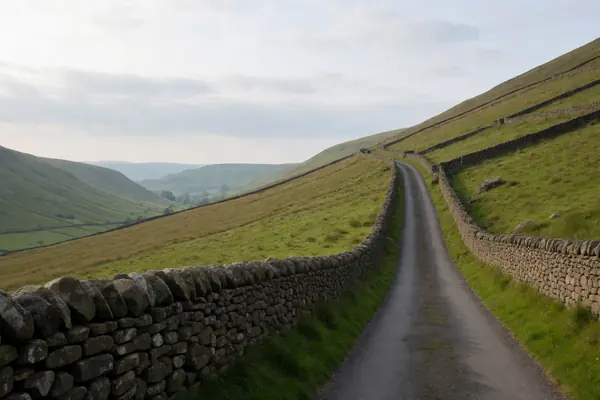
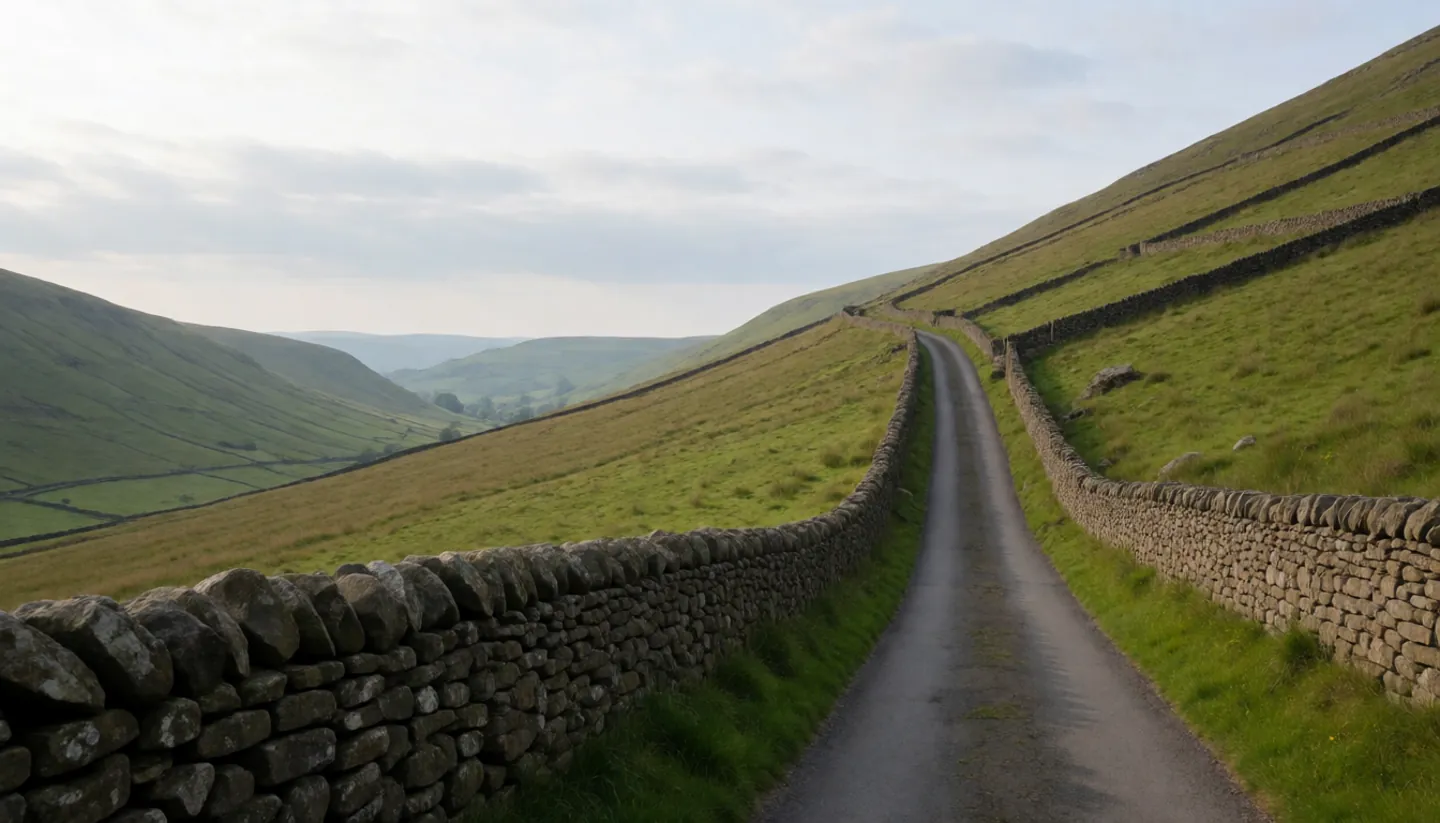
A 10% hill climbs 1 metre for every 10 metres you travel, which signs also write as 1:10. The same idea runs from a gentle 1:60 path to a 1:5 hill that Ordnance Survey maps flag with a gradient arrow.
THE SHORT ANSWER
UK signs give the percentage.
Older signs, maps and building guidance often use ratios.
ROAD SIGNS
The Department for Transport's Know Your Traffic Signs says a 10% steep hill sign is equivalent to 1:10, and 20% is equivalent to 1:5.
Compare slopesRAMPS
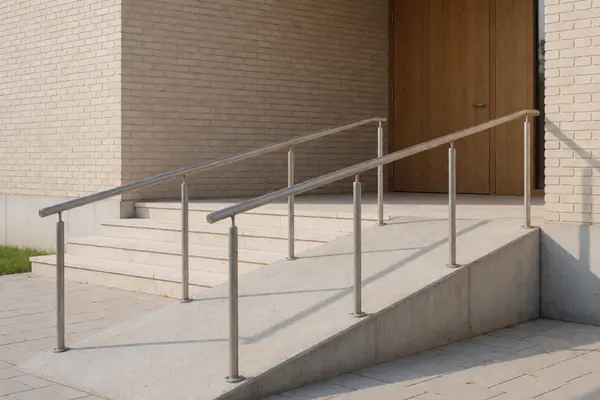
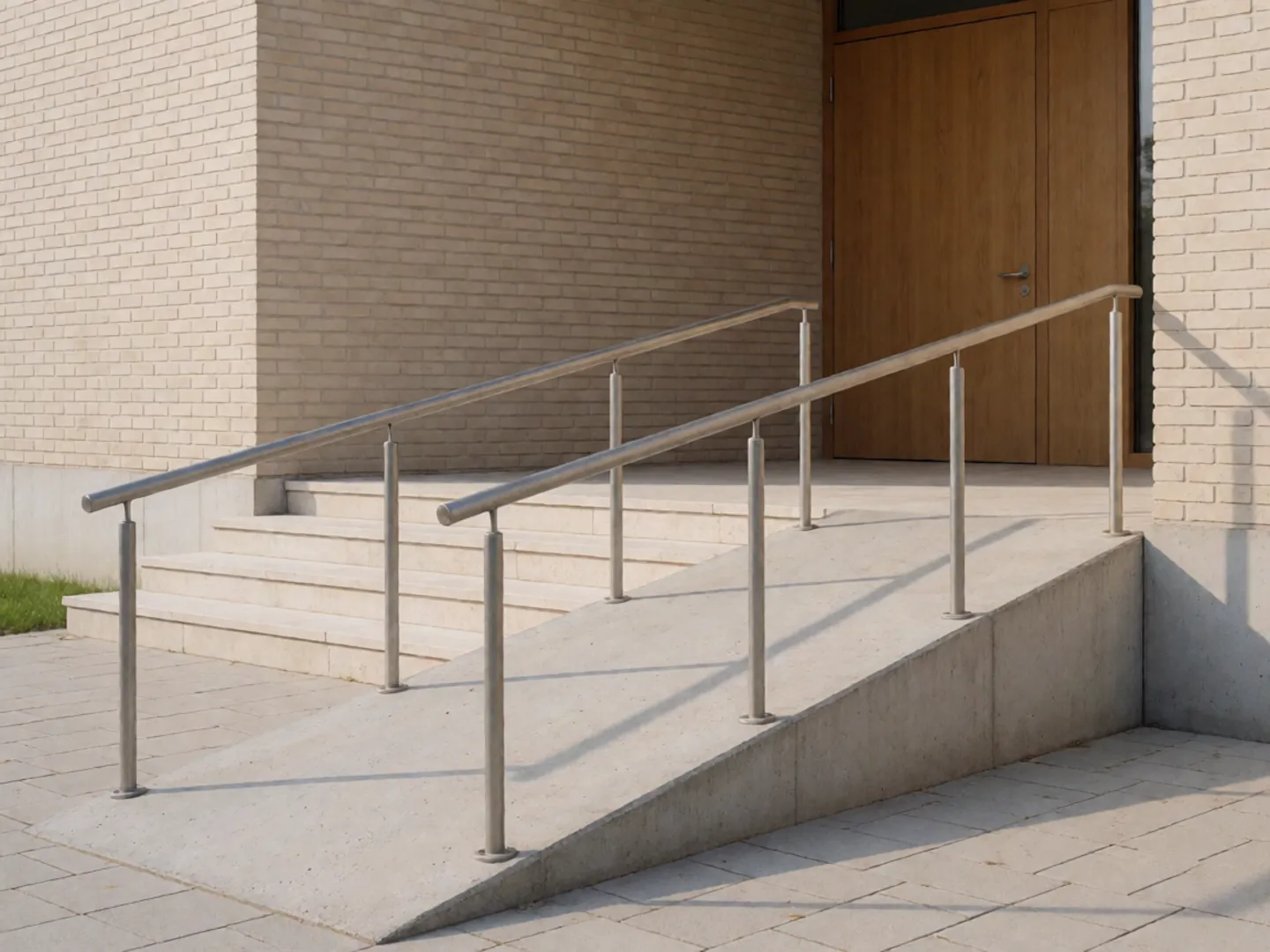
Building guidance for England limits ramps to 1:20 for a 10 m flight and 1:12 for a 2 m flight, because steep ramps are hard for some wheelchair users.
See the numbersMAPS
Ordnance Survey 1:50,000 maps mark roads steeper than 20% (1 in 5), and from 14% to 20% (1 in 7 to 1 in 5), with gradient arrows.
Read the arrowsA QUICK SLOPE CHECK
Choose a gradient to see what it means and where UK guidance uses it. The bar shows how steep it is.
Percentages for the ratios are worked out as rise divided by distance. Based on DfT Know Your Traffic Signs, Approved Document M and the OS Landranger legend.
FOUR WAYS TO READ A SLOPE
Once you know that percent and ratio are two ways of writing the same slope, every sign and map becomes easier to read.
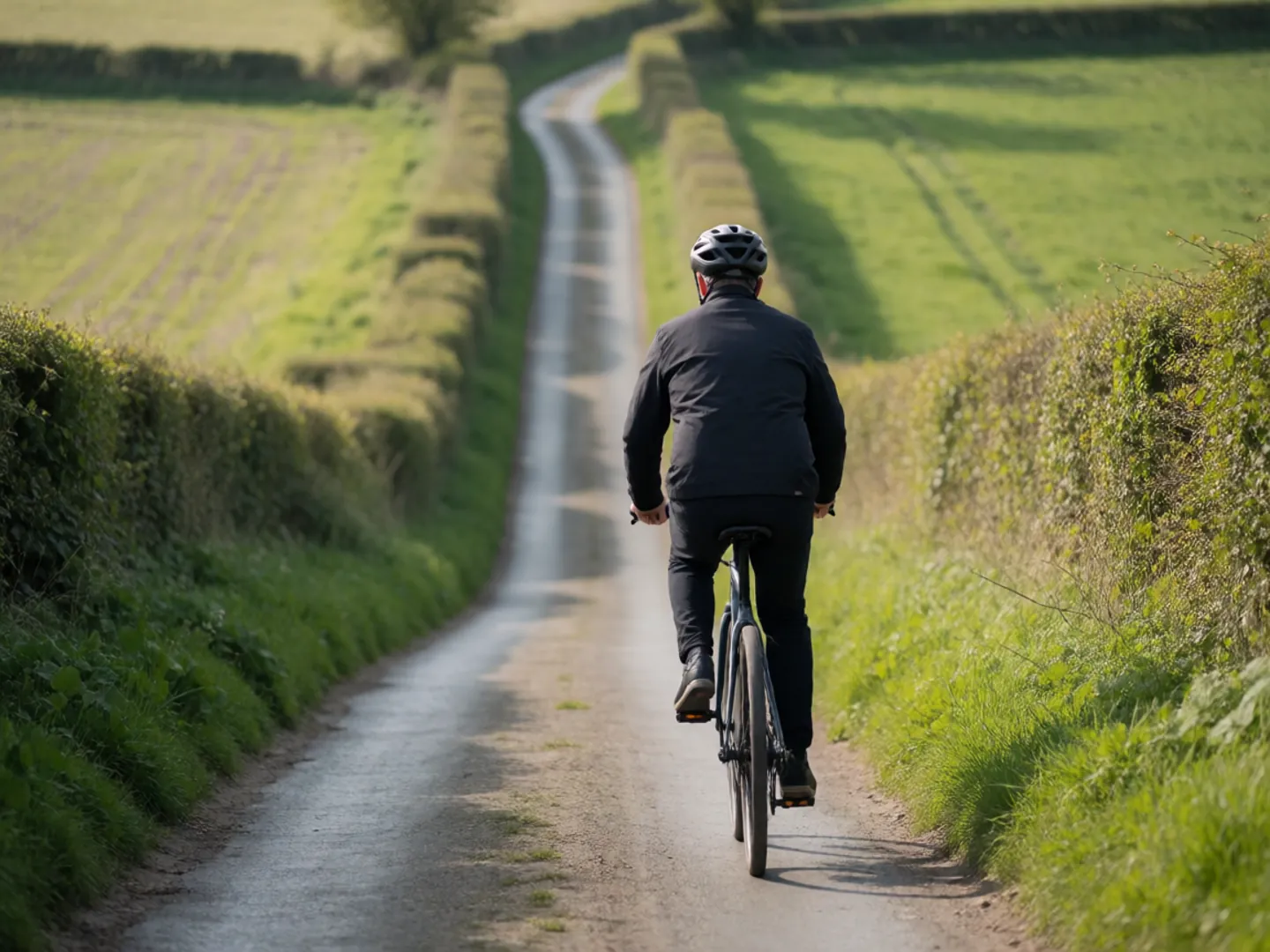
Divide 100 by the second number: 1:10 is 10%, 1:5 is 20%, 1:20 is 5%.
Landranger maps show two gradient symbols on roads: one for 14% to 20%, and one for steeper than 20%.
Highway Code rule 139: climbing lanes on some hills are for slow vehicles or when others behind want to overtake.
On single-track roads, rule 155 asks drivers to give way to road users coming uphill whenever they can.
TWO NUMBERS WORTH KNOWING
One figure from the age of the bicycle,
one from today's building guidance.
≈ 4,000
Warning signs put up by councils and cycling groups
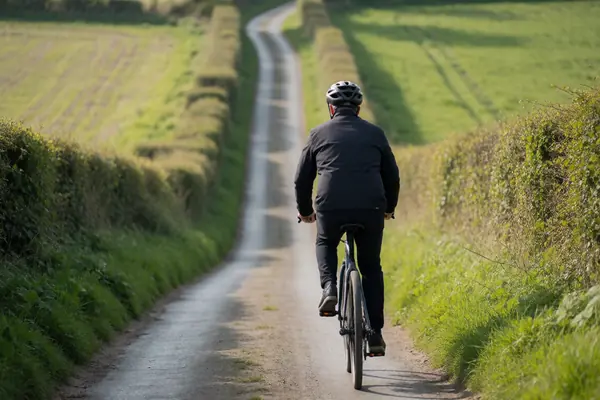
Steep hills and sharp bends were very dangerous for early cyclists. In the late 1800s, local authorities and cycling organisations installed an estimated 4,000 warning signs, often at the top of steep hills.
HISTORY · KNOW YOUR TRAFFIC SIGNS
500 mm
Most a single 1:20 ramp flight may rise
A 10 m flight may be no steeper than 1:20 and rise no more than 500 mm. Between 2 m and 10 m the limit can be interpolated, for example 1:14 for a 4 m flight.
RAMPS · APPROVED DOCUMENT M
The Motor Car Act 1903 made local authorities responsible for certain warning signs, including those for steep hills, crossroads and dangerous bends.
WHY RAMPS ARE GENTLE
Approved Document M says gradients should be as shallow as practicable, because steep slopes are hard for some wheelchair users to climb and to stop on when going down. Ramps help people with prams, pushchairs and bicycles too.
Ramps are not always easier for everyone: some people who can walk but have restricted mobility find a ramp harder than a stair, and wet weather adds slip risk. The guidance says it is beneficial to have steps as well as a ramp.
Questions
It means the road rises or falls 1 unit for every 10 units travelled. The Department for Transport says a 10% sign is equivalent to 1:10.
Yes. A smaller second number means a steeper slope. 1:5 is 20%, twice as steep as 1:10, which is 10%.
In Approved Document M for England, ramp flights are limited to 1:20 for a 10 m going, 1:15 for 5 m and 1:12 for 2 m, with landings in between.
On the 1:50,000 Landranger map, arrows on a road mark gradients of 14% to 20% (1 in 7 to 1 in 5) or steeper than 20% (1 in 5).
Know Your Traffic Signs says steep hills were very dangerous for early cyclists, so danger and caution signs were put at the top of hills in the late 1800s.
Updated
ABOUT THIS NAME
doodlegrade.com is part of the DoodleSale portfolio. It isn't in an auction right now, but you can ask about leasing it.